In a nutshell
- 🧪 The £5 secret is benzoyl peroxide (BPO): non-antibiotic, bacteria-killing, anti-inflammatory; 2.5% often matches 5% efficacy with fewer side effects.
- 🧼 Routine swap: keep a gentle cleanser, 2.5% BPO (pea-sized over acne-prone areas), and a non-comedogenic moisturiser plus morning SPF 30+; start low and slow, buffer if sensitive.
- ⚠️ Side effects and myths: expect mild dryness and possible fabric bleaching; BPO does not thin skin; use short-contact or alternate nights if irritated; patch-test and avoid strong actives initially.
- 🏥 When to escalate: for cystic/nodular acne, scarring, mood impact, or little improvement after 8–12 weeks, see a GP; consider retinoids, BPO combinations, or hormonal options per guidance.
- 📈 Results and maintenance: fewer inflamed spots in 2–4 weeks, best results by 12 weeks; track with weekly photos; maintain clearance 3–4 nights/week and add retinoids on off-nights if needed.
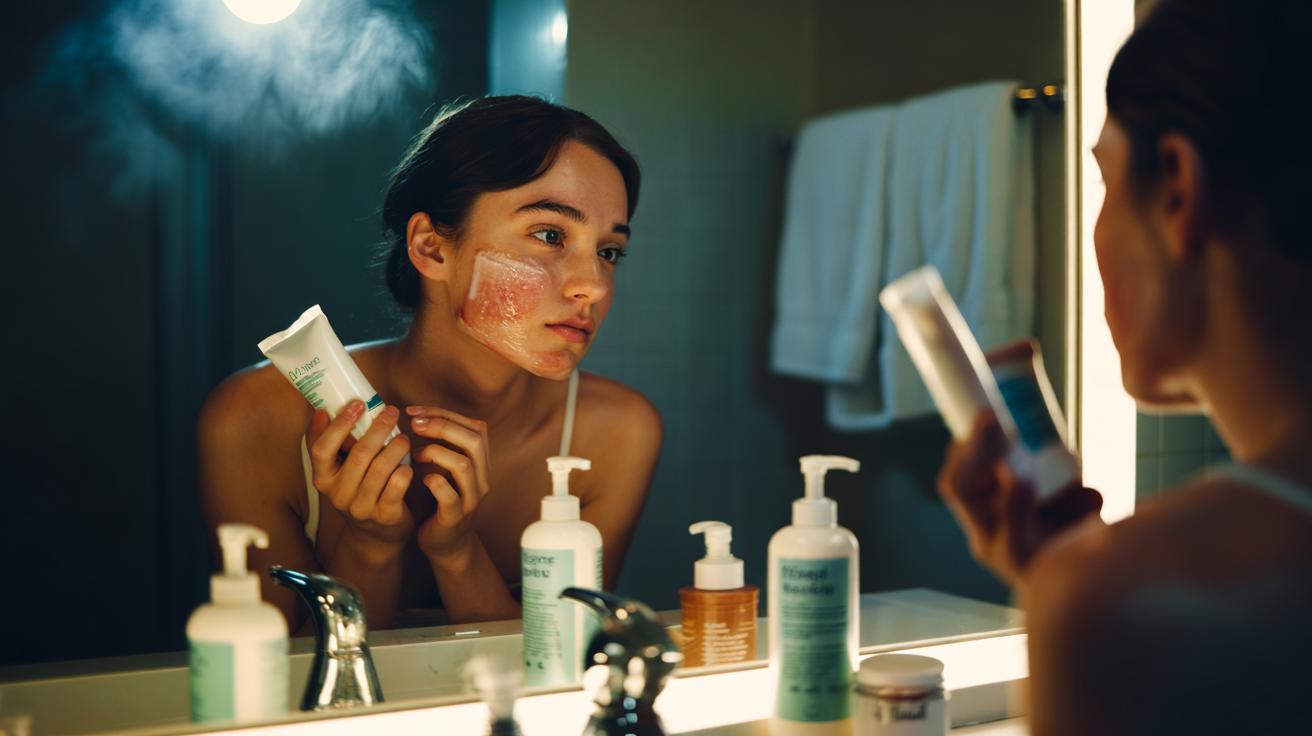
What if the cure for your breakouts isn’t another nine-step routine but a humble tube you can buy for less than £5? In a beauty market built on glitz and gimmicks, a pharmacist’s staple is quietly outperforming serums that cost ten times more. The secret isn’t sexy. It’s science. It works for teens navigating exam stress and adults dealing with hormonal flare-ups, without demanding a chemistry degree at the bathroom sink. Strip back, apply smart, and let evidence do the heavy lifting. Today, we’re swapping complicated for clinically proven — and asking whether a single, budget product could genuinely change the acne story for good.
The £5 Secret: Benzoyl Peroxide, Explained
The budget workhorse is benzoyl peroxide (often shortened to BPO). It targets acne on three fronts: it lowers the population of C. acnes bacteria by releasing oxygen, helps keep pores clear with a mild keratolytic effect, and calms the red, angry inflammation that makes spots look worse than they are. Crucially, it’s non-antibiotic, so it doesn’t fuel resistance. That’s why UK NICE guidance lists benzoyl peroxide as a first-line option for mild to moderate acne, either solo or in combination. The surprise? Lower strengths often perform just as well. For most skin, 2.5% is as effective as 5%, with fewer side effects. Cheap, accessible, and backed by decades of dermatology — hardly a secret, but still underused.
| Strength | Best For | Pros | Watch-outs | Typical UK Price |
|---|---|---|---|---|
| 2.5% gel/cream | Daily prevention, sensitive skin | Equal efficacy to higher strengths; gentler | May bleach fabrics; mild dryness | ~£4–£6 |
| 5% gel/cream | Stubborn areas, short-contact use | Faster impact for some users | More irritation risk | ~£5–£8 |
Form matters too. Gels suit oilier skin; creamy vehicles can cushion dryness. Washes can help body acne or very sensitive faces using “short-contact” (apply for 60–90 seconds, then rinse). But for most, a leave-on 2.5% product at night is the simple, winning play. Consistency beats novelty every time.
How to Swap Your Routine Without Wrecking Your Skin
Clear your shelf. Keep three things: a gentle cleanser, benzoyl peroxide 2.5%, and a non-comedogenic moisturizer. That’s it. In the evening, cleanse for 30 seconds with lukewarm water. Pat dry. Apply a pea-sized amount of BPO across acne-prone zones — not just on visible spots — and let it absorb. Follow with moisturizer after two to five minutes. In the morning, cleanse, moisturize, and finish with SPF 30+. Simple. Fast. Sustainable.
Start “low and slow” to win the long game. Use benzoyl peroxide every other night for the first week, then step up to nightly as your skin tolerates it. If you’re very sensitive, try buffering: moisturize first, then apply BPO. Or run a short-contact routine for the first fortnight (60–90 seconds, rinse, then moisturize). Avoid layering with strong actives initially (retinoids, AHAs, BHAs). Once stable, you can reintroduce a retinoid on alternate nights, or keep BPO as your sole hero if it’s doing the job.
Two extra rules that move the needle: patch-test behind the ear or along the jaw for 48 hours, and don’t sabotage the barrier. That means no scrubs, no fragranced toners, and no hot water. Keep towels white — BPO can bleach fabrics.
Side Effects, Myths, and When to See a Professional
Expect mild dryness, flaking, and a hint of tightness in the first 7–14 days. That’s normal adaptation, not damage. Dial back frequency or increase moisturizer if you feel stingy or look chalky. Another quirk: fabric bleaching. Swap to old pillowcases and white towels. Redness that persists beyond two weeks, severe burning, or swelling? Stop, and seek pharmacist or GP advice. Comfortable skin is compliant skin, and compliance is what clears acne.
Now, the myths. “BPO thins skin.” It doesn’t; that confusion belongs to long-term steroid use. “It stops working.” What’s more likely is inconsistent use or new triggers (stress, cycle, occlusive makeup). “It’s not for sensitive types.” Many tolerate 2.5% well with buffering and patience. As for pregnancy and breastfeeding, absorption is low, but always confirm with your GP or midwife if unsure. Eyes and lips are no-go zones; hands washed after use.
Know the escalation points. If you have cystic or nodular acne, early scarring, or profound impact on mood, speak to your GP or dermatologist. If there’s minimal improvement after 8–12 weeks of consistent BPO, guideline-backed next steps include adding a topical retinoid, clindamycin+benzoyl peroxide combos, or hormonal options where appropriate. Stubborn acne is a medical condition, not a moral failing.
Results You Can Expect and How to Measure Them
Timelines matter. Many people see fewer inflamed spots within 2–4 weeks, with continued improvement through the 12-week mark. Whiteheads and blackheads soften more gradually. Purging is far less common with benzoyl peroxide than with retinoids, but a shuffle in what surfaces first can happen. The biggest early win is shrinking angry, red lesions fast — the kind that dominate your face and your mood. That momentum keeps you using it long enough to win.
Track progress like a pro. Take the same selfie every Sunday: same light, same angle, no makeup. Count inflamed spots in a small “test zone” (jawline patch, for instance). Log triggers — sweat-heavy workouts, dairy, late nights — and look for patterns. Adjust frequency, not force; if irritation spikes, switch to alternate nights for a week, then climb back. Consistency is the metric that predicts success.
Maintenance is the quiet hero. Once clear, most can step down to three or four nights a week while keeping results. If you crave wrinkle care or texture work, reintroduce a gentle retinoid on off-nights and keep BPO for the breakout-prone zones. The long-term play is simple: light touch, high adherence, minimal drama. That’s how a £5 tube outperforms a bathroom full of bravado.
In a culture hooked on elaborate skincare, benzoyl peroxide proves that clarity often comes from subtraction, not addition. It’s cheap, accessible, and endorsed by the same guidelines clinicians use, which is why it quietly changes faces — and routines — across Britain. Will it end acne for everyone? No. But for mild to moderate breakouts, the odds are firmly in your favour when you use it properly and consistently. Ready to retire the 12-step circus and test a single, evidence-led step for 12 weeks — or will you keep hunting for a miracle that’s already on the pharmacy shelf?
Did you like it?4.6/5 (27)