In a nutshell
- 🕒 Just five minutes of daily inversion stretching delivers gentle spinal decompression, disc rehydration, and slackens the posterior chain for noticeable mobility gains.
- 🧠 Inversion nudges the parasympathetic system, stimulates the vestibular network, improves CO2 tolerance, and yields calm focus without strain.
- ⚠️ Prioritise safety: avoid if you have glaucoma, uncontrolled hypertension, serious cardiac or retinal issues, or pregnancy; start with mild angles and stop if pain, numbness, or eye pressure appears.
- 🛠️ Use stable gear—CE‑marked inversion tables, properly rigged aerial hammocks, or yoga wall ropes—and measure progress by comfort and control, not degrees of tilt.
- 📋 Follow a simple five‑minute routine blending light traction, supported poses, and slow nasal breaths; consistency beats intensity for athletes and desk workers alike.
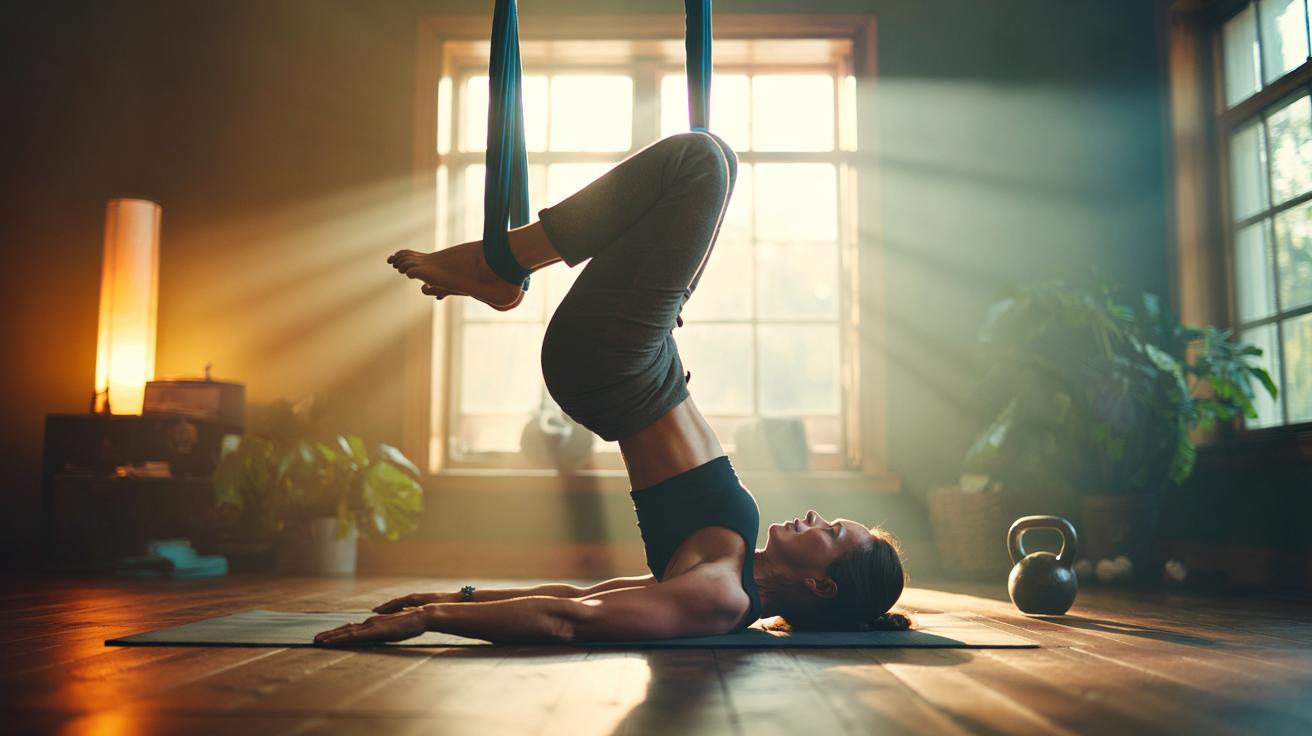
Five minutes. That’s all it takes for a daily upside-down stretch to punch above its weight, according to coaches, physios, and mobility specialists. The practice, often called inversion stretching, isn’t a circus trick. It’s controlled, supported and surprisingly calming. From an inversion table to an aerial hammock or a simple yoga wall setup, the goal is gentle traction rather than bravado. The compressive load your body accumulates from sitting, lifting, and scrolling needs a counterforce. That counterforce is gravity flipped. Inversions appear to decompress joints, rehydrate tissues, and reset nervous-system tone. The result? Less stiffness, clearer focus, and a spine that feels newly spacious.
Why Inversion Unlocks Hidden Mobility
Flip the equation and the body responds. With a mild tilt or full inversion, spinal decompression reduces pressure on discs and facet joints, allowing fluid to shift back into dehydrated tissue. That hydration is precious currency for a stiff back. Traction can free the nerve roots that complain after a long commute or a heavy deadlift session. The effect isn’t only spinal. Hips and shoulders unglue as surrounding tissues slacken. People report a surprising softening along the posterior chain—hamstrings, calves, and low back—without aggressive pulling.
There’s a fascial story too. Under traction, the body’s fascia—the web that wraps every muscle—experiences new shear and glide. That gentle sliding feeds mechanotransduction, the cellular process by which load tells tissues how to remodel. Tight areas get permission to lengthen. Stuck areas start to move. It’s efficient because gravity does most of the work while you breathe. No grimacing. No ego lifting. Just consistent, low-intensity change where it counts.
Then come the shoulders and hips. Hung in a supported position, the scapulae settle and the deep rotator cuff can finally release. At the other end, hip flexors stop bracing, which often reveals hidden hamstring range. A small tilt can unlock big mobility when the nervous system feels safe. That safety piece is key: when you’re supported, muscles stop guarding and tissues lengthen more readily, leading to measurable gains in reach and stride.
How Five Minutes Resets Your Spine and Brain
Inversion’s headline benefit isn’t only structural. It’s neurological. A light hang stimulates the vestibular system—your balance engine—while slow nasal breathing nudges the parasympathetic branch of the nervous system. Heart rate settles. Jaw tension unwinds. Five calm minutes can do what a rushed 45-minute stretch class sometimes can’t: switch off the internal alarm. When that switch goes, range returns because the brain stops guarding against perceived threat.
Circulation changes are part of the story. Mild inversion can support venous return from the legs and promote lymphatic drainage, the body’s housekeeping. That fresh flow is why ankles feel lighter and feet warmer afterward. The spine benefits too: traction encourages subtle disc rehydration, improving glide between segments. For desk-bound workers, that’s gold. Stiff after a day of emails? Invert, breathe, reset.
The time cap matters. Five minutes lands in a sweet spot—long enough for tissues and nerves to downshift, short enough to avoid dizziness or pressure spikes in most healthy people. Add a focus on exhalation, and you amplify the signal of safety to the brainstem. CO2 tolerance improves with slow breathing, which helps control that “I’m upside down” reflex. The result is a post-session clarity many liken to a strong coffee without the jitters.
Safety, Contraindications, and Smarter Gear
Done recklessly, inversion is a bad idea. Done intelligently, it’s a tidy daily practice. If you have glaucoma, uncontrolled hypertension, significant cardiovascular disease, retinal issues, or are pregnant, skip inversion unless cleared by your GP. Those with severe reflux, recent hernia surgery, or inner-ear problems should also proceed carefully. Rules of thumb: no pain, no pins-and-needles, no “fullness” behind the eyes. Any of those? Stop and reassess.
Start conservative. A 20–30 degree tilt on an inversion table is often enough. Or try a supported aerial hammock seat with hips higher than heart, not full upside down. Two or three 45–60 second exposures, with breath breaks between, build tolerance without forcing it. Keep the floor clear, set a timer, and have an easy exit plan. Confidence is part of the safety gear.
Choose stable kit. A CE-marked inversion table with ankle locks, a properly rigged hammock with rated carabiners, or yoga wall ropes installed by a pro. Avoid doorframe contraptions with questionable anchors. Grip matters too; sweat and slippage don’t mix. Progress is measured in comfort and control, not degrees of tilt. Respect that, and the five-minute habit becomes a durable mobility investment rather than a risky party trick.
A Five-Minute Inversion Stretch Routine
This simple programme blends traction, breath, and gentle tissue loading. It works with a table, hammock, or wall ropes. Warm up with 30 seconds of slow nasal breathing. Then move through short, calm holds. The aim is ease, not strain. Keep exhalations longer than inhalations to cue a parasympathetic drop. If you feel head pressure rise, reduce the angle or pause seated until symptoms fade. Done daily, the sequence delivers a noticeable lift in hip hinge comfort, overhead reach, and that elusive feeling of space between vertebrae.
| Minute | Pose/Tool | Key Cues | Primary Benefits |
|---|---|---|---|
| 0:00–1:00 | Light Inversion Table Tilt | Relax jaw, long exhale, soften ribs | Spinal decompression, disc hydration, nervous-system downshift |
| 1:00–2:00 | Aerial Hammock Supported Saddle | Hips above heart, knees relaxed | Hip flexor release, fascia glide, venous return |
| 2:00–3:30 | Rope Dog/Supported Downward Dog | Push floor away, lengthen spine | Shoulder decompression, posterior chain length |
| 3:30–5:00 | Legs Up the Wall (mild inversion) | Feet relaxed, slow breathing | Lymphatic drainage, hamstring ease, calm finish |
Modifications: swap the table for a low hammock if ankles are sensitive. If wall ropes aren’t available, place hands on blocks under a doorway and hinge until the spine feels traction, keeping knees soft. Two or three rounds per week can progress to daily use once your system adapts. Consistency beats intensity every time. For athletes, drop this micro-dose post-training to offset spinal load; for desk workers, aim for mid-afternoon to clear the cobwebs.
Five minutes upside down sounds dramatic. In practice it’s measured, quiet, and deeply practical. By blending decompression, breath, and fascia-friendly loading, inversion stretching gives you mobility without the grind and calm without the crash. The habit scales to your kit and your confidence, and it respects the body’s built-in feedback. That’s why coaches call it a game-changer: it’s small, safe, and stubbornly effective. If you tried a week of gentle inversion, which tool would you choose first—and what change would you hope to feel by day seven?
Did you like it?4.5/5 (25)