In a nutshell
- ⚡ Mid-afternoon slump solved: a banana’s mix of carbohydrates, fibre, vitamin B6, and potassium delivers quick yet steady energy, supporting brain focus and muscle function without the crash.
- 🍌 Smart fuel by ripeness: greener bananas offer more resistant starch for slower release, while spotty fruit provides faster sugars—plus prebiotic fibres and micronutrients that aid mitochondrial energy production.
- 🧪 Steady blood sugar: a banana’s low-to-medium glycaemic index and modest glycaemic load create controlled glucose rise; pairing with protein or fat extends satiety and improves energy stability.
- ⏰ Practical wins: eat around 2:30–3pm, choose ripeness for your needs, and pair with Greek yoghurt, nuts, or oatcakes; portable, affordable, and ideal pre-workout fuel.
- 🛡️ Sensible cautions: people with diabetes should monitor responses, those with kidney issues watch potassium, and anyone with latex–fruit sensitivity or digestive concerns adjust ripeness or choose alternatives.
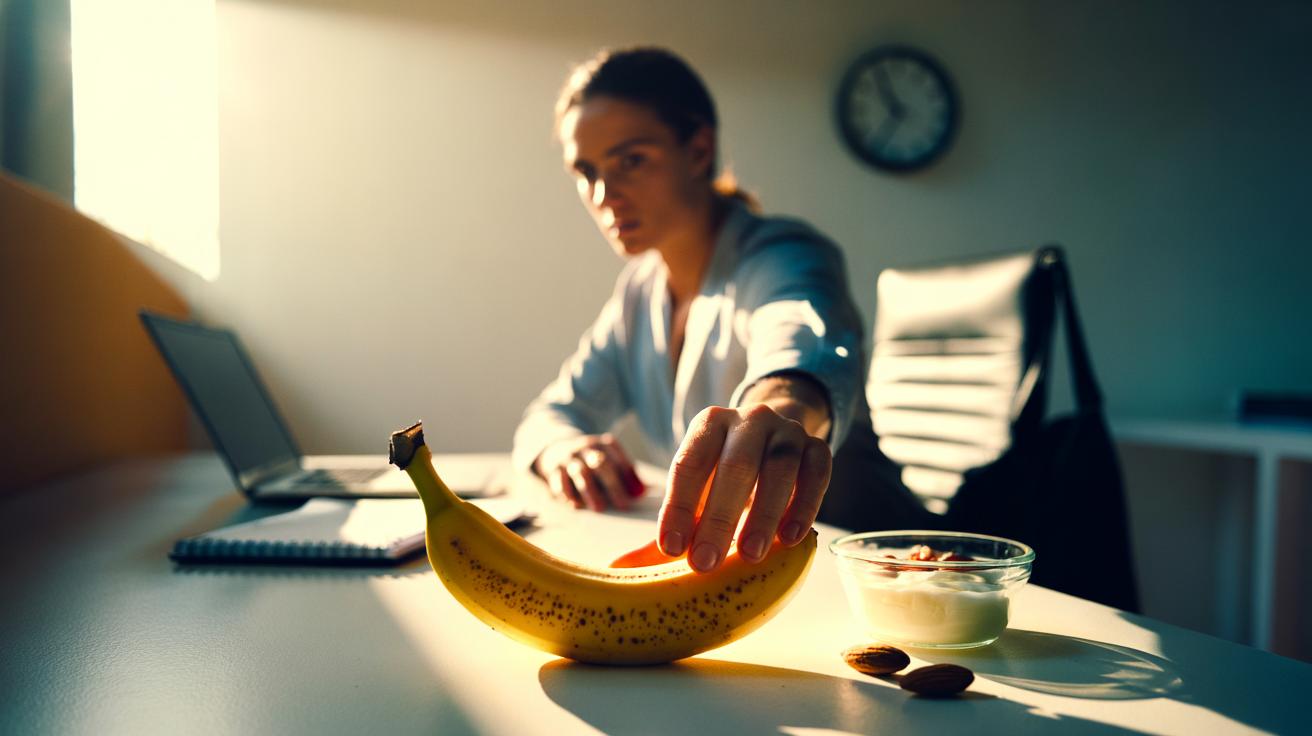
That post-lunch fog is real. By mid-afternoon many of us feel our focus slip, our mood flatten, and our productivity stall. Nutritionists now point to a surprisingly simple intervention: the humble banana. Not a miracle, just well-matched physiology. Packed with carbohydrates, fibre, vitamin B6, and potassium, bananas seem tailored to bridge the energy gap between lunch and dinner without the crash that follows ultra-processed snacks. It’s the timing, the nutrient mix, and the way your body handles them at 3pm that matters most. Here’s the science behind the mid-afternoon banana, plus practical tips to make it work in your day, whether you’re commuting, at your desk, or heading to the gym.
Why the Afternoon Matters for Energy
Your body runs on rhythms. Around 2–4pm, cortisol and alertness naturally dip, sleep pressure rises, and blood glucose control may wobble after lunch. Office lighting, meetings, and screen time compound the slump. The result: slower thinking, snack cravings, and impulsive choices. This is not weakness; it’s physiology. When energy demand is high but control mechanisms are flagging, the right snack can stabilise you. The wrong one can tip you into a boom-and-bust cycle that sabotages the rest of the day.
Enter the banana. A medium fruit delivers roughly 27g of carbs, including a trio of natural sugars—glucose, fructose, and sucrose—wrapped in around 3g of fibre. That balance matters. Fibre slows gastric emptying and moderates absorption, while the sugars replenish brain and muscle fuel quickly enough to feel within 10–20 minutes. It’s quick support without the metabolic whiplash. Compare that with a chocolate biscuit: faster spike, faster crash, hazier focus.
Potassium is the banana’s other ace. The electrolyte supports nerve signalling and muscle contraction, and helps cells use glucose efficiently. Vitamin B6, abundant in bananas, acts as a cofactor in glycogen metabolism—your body’s stored carbohydrate—helping free fuel when the afternoon lull bites. Together, these nutrients offer steady power for keyboard sprints, creative tasks, or a pre-commute workout.
What Makes a Banana a Smart Fuel
Bananas are deceptively sophisticated. Their carbohydrate matrix shifts with ripeness: greener fruit contains more resistant starch that digests slowly, while yellow and spotty bananas provide more readily available sugars. That makes them adaptable. Need gentler release? Choose slightly green-yellow. Need a faster lift before a meeting? Go riper. One fruit, different energy profiles.
Crucially, that energy rides in with micronutrients that support how you use it. Potassium helps maintain cellular electrical gradients, aiding muscle and nerve function. Vitamin B6 supports enzymes involved in turning stored glycogen into glucose, as well as pathways involved in neurotransmitter synthesis—useful when mood dips with energy. Small amounts of magnesium and manganese underpin mitochondrial function, the machinery that turns fuel into ATP, your cellular currency of energy.
Hydration plays a role too. Bananas are roughly 75% water. Not a drink, no—but the moisture plus electrolytes may help if your afternoon lag stems partly from mild dehydration. And unlike many packaged snacks, bananas bring prebiotic fibres that feed gut bacteria, which in turn produce short-chain fatty acids associated with steadier metabolic responses. Energy isn’t only about calories; it’s about how your system handles them.
The Science: Sugars, Fibre, and Glycaemic Control
A typical medium banana sits in the low-to-medium glycaemic index range (roughly 45–55, ripeness dependent). That’s significant for afternoons, when insulin sensitivity can be lower than in the morning. A moderate GI and a glycaemic load of about 11 mean a banana delivers a controlled rise in blood glucose rather than a surge. Fibre—particularly pectin—thickens the digestive mix, slowing absorption. Steady in, steady out.
Pairing amplifies this. Add protein or fat—think Greek yoghurt, a spoon of peanut butter, or a few nuts—and the overall glycaemic impact softens further, extending satiety by 60–90 minutes. For active people, the banana’s blend of glucose (fast) and fructose (via the liver) may improve carbohydrate oxidation during late-day training. For desk workers, it’s about cognitive stamina: a reliable trickle of glucose fuels neurons without the jitter-crash pattern of sugary confectionery.
Here’s a quick comparison for a mid-afternoon bite. Values are approximate and vary by brand and fruit size.
| Nutrient | Medium Banana | Chocolate Biscuits |
|---|---|---|
| Energy (kcal) | ~105 | ~210 |
| Carbohydrates (g) | ~27 | ~26 |
| Fibre (g) | ~3 | ~1 |
| Potassium (mg) | ~420 | ~80 |
| Vitamin B6 (% DV) | ~20% | ~2% |
Practical Tips: Timing, Pairings, and Ripeness
Time it right. If you ate lunch at noon, aim for your banana around 2:30–3pm—late enough to prevent grazing, early enough to stabilise before cravings kick in. Training after work? Have one 30–60 minutes before, perhaps with a pinch of salt if you’re a salty sweater. Small changes, big dividends. Keep portions simple: one medium banana is a sweet spot for most adults. Very active? Two can be appropriate around hard sessions.
Choose ripeness to suit your need. Green-tinged for slower release and better fullness. Freckled for faster energy. If you want extra staying power, pair with protein: Greek yoghurt, cottage cheese, or a small handful of nuts. Prefer plant-based? Try tahini or peanut butter. For a desk-friendly option, slice a banana over oatcakes. For a warm lift, mash it into porridge with cinnamon—steady and comforting.
Practicalities matter. Bananas are portable, affordable, and waste-free snacks. Store at room temperature; chill to slow ripening; freeze in chunks for smoothies. Worried about sugar? Remember context: alongside fibre, micronutrients, and controlled calories, a banana is a markedly better bet than many ultra-processed bars. It’s not just a snack; it’s strategic fuel.
Who Should Be Cautious
Bananas are safe for most people, but personal context counts. If you manage diabetes, a banana can still fit—monitor your response, choose a less-ripe fruit, and pair with protein or fat to flatten the curve. Those with chronic kidney disease or on potassium-sparing medications should discuss banana frequency with a clinician; potassium is beneficial yet needs oversight in these cases. Latex–fruit syndrome can trigger oral allergy symptoms in some; consider alternatives if you’re affected.
Digestive sensitivity? Very green bananas may bloat due to resistant starch; very ripe ones can feel too fast for some. Find your personal ripeness sweet spot. For endurance athletes, a banana mid-ride or mid-run is a proven, gut-friendly carb source. For desk workers, it’s a tidy way to avoid the vending machine spiral. The right snack, at the right time, for the right person. If in doubt, log how you feel and perform for a week—you’ll have your answer.
The afternoon banana isn’t hype. It’s physiology meeting practicality: balanced carbohydrates, supportive micronutrients, and timing that targets your natural energy dip. As a bridge to dinner, a pre-gym boost, or a calm counter to the 3pm slump, it earns its place in the snack rotation. Small, portable, predictable—exactly what a busy day needs. As you tweak your routine, from ripeness to pairings, what version of the banana break could power your best hours without the crash—and which experiment will you try first?
Did you like it?4.3/5 (26)