In a nutshell
- 💤 Olympians use a simple magnesium spray pre-bed ritual to fall asleep up to 30 minutes faster, gaining a crucial recovery edge amid late finals, travel, and media demands.
- 🧴 The spray is typically magnesium chloride (“magnesium oil”) applied to calves, thighs, shoulders, or abdomen; benefits may stem from possible transdermal absorption plus a calming sensory routine that supports parasympathetic activation.
- 📋 Pro method: 5–15 sprays 20–30 minutes before bed, light rub-in, 5 minutes of slow breathing, dim lights, cool room; rinse after 20 minutes if residue irritates—consistency is the performance multiplier.
- 🧠 Evidence check: Oral magnesium can improve sleep onset latency and quality in some people; topical data are limited, but physiology + ritual and expectation effects make a pragmatic, low-risk combo.
- ⚠️ Smart use: Patch-test, avoid broken skin, and seek advice if you have kidney issues or drug interactions; choose batch-tested, clearly labeled, unscented products and pair with sleep hygiene fundamentals.
Behind the scenes of Olympic training camps, recovery is a competitive edge in itself. Lights out doesn’t always mean lights off, especially when adrenaline is high and schedules are brutal. That’s where a curious hack has spread from physio rooms to athletes’ travel kits: a simple magnesium spray misted onto skin before bed. Coaches like it because it’s quick. Athletes like it because it feels soothing. And some swear it helps them fall asleep up to 30 minutes faster. Is it science, savvy routine, or both? Here’s how the tactic works, why the world’s best use it, and what the evidence actually says.
What Is the Magnesium Spray Trick?
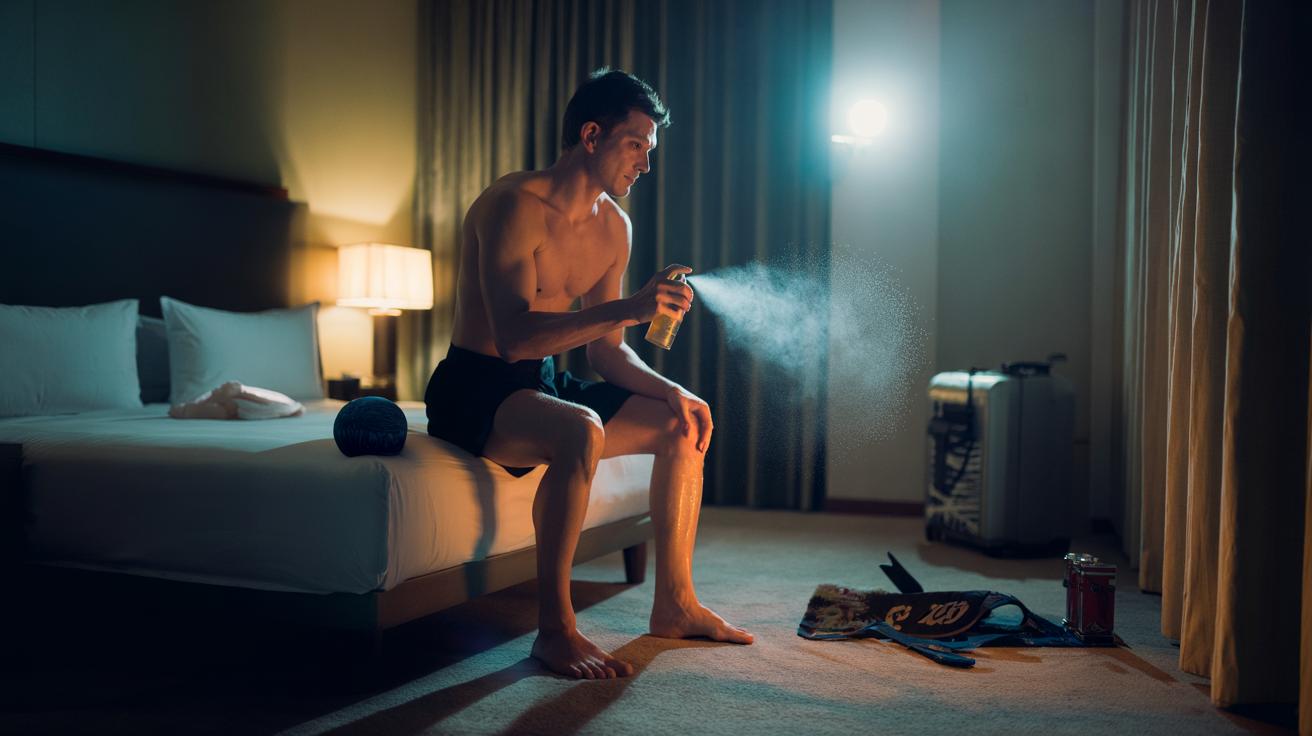
At its core, the trick involves spritzing a solution of magnesium chloride—often called “magnesium oil,” though it’s water-based—onto calves, thighs, or the abdomen 20–30 minutes before lights out. The sensation is distinctive: faintly briny, slightly tacky on the skin, sometimes a bit tingly. Proponents say it calms the body and mind. Some athletes report nodding off around half an hour faster after adopting the spray as part of their pre-sleep routine. The claim sounds bold, but the appeal is obvious when you train hard twice a day and fly across time zones.
Why magnesium? This mineral helps regulate GABAergic activity, muscle relaxation, and the parasympathetic nervous system—your body’s “rest-and-digest” mode. While oral magnesium is well studied for deficiency and sleep quality, topical use is a murkier area. Enthusiasts argue that transdermal absorption bypasses the gut and feels gentler. Skeptics counter that evidence remains thin. Both can be true: the spray delivers a sensory cue and tactile ritual that can lower arousal, while also supplying a mineral many athletes are borderline low in. In elite sport, marginal gains matter.
Why Elite Athletes Swear by It
Olympic schedules compress stress into every hour. Late finals, early buses, bright arenas, media duties. Sleep becomes performance fuel, and the smallest edge matters. Here, the magnesium spray serves several overlapping roles. First, it’s a consistent cue for downshifting. The cool mist, slow rubbing, and faint saltiness tell the nervous system that the day is over. Rituals can be as powerful as remedies when it comes to sleep. Second, magnesium’s role in muscle relaxation dovetails with post-session tightness, which can otherwise prolong tossing and turning.
There’s also travel. Jet lag and disrupted circadian cues nudge cortisol up and keep alertness high when athletes most need quiet. A simple, portable spray supports a repeatable routine in unfamiliar rooms—hotel to hotel, village to village. It pairs neatly with other sleep hygiene staples: dim light, cool room temperature, and consistent timing. Some teams integrate it into physiotherapy: a few sprays, a light calf or forearm rub, two minutes of paced breathing. Small actions stack into a larger, calming signal that it’s safe to switch off. Whether the magic is mineral, method, or both, athletes value the predictability.
How to Use Magnesium Spray Like a Pro
What you’ll see in the village is disarmingly simple. Athletes typically spritz 5–15 pumps of magnesium chloride spray onto large muscle groups—calves, thighs, shoulders—or the abdomen about half an hour before bed. They rub it in lightly, wait for it to dry, and sometimes rinse after 20 minutes if the residue feels tacky. Sensitive skin? They patch-test first and avoid freshly shaved or irritated areas. Do not apply to broken skin, and stop if persistent irritation occurs. The key is consistency: same time each evening, paired with low light and a winding-down routine.
Teams treat it as a protocol, not a miracle. Here’s a simple breakdown you can spot on a training camp whiteboard:
| Step | Timing | Purpose | Notes |
|---|---|---|---|
| Spray and rub | 20–30 min before bed | Calm cue and muscle ease | Target calves, thighs, or abdomen |
| Breathing drill | 5 min | Activate parasympathetic state | Slow nasal breathing, long exhale |
| Lights down | Immediately after | Lower melatonin disruption | Dim screens, cool room |
| Optional rinse | After 20 min | Comfort | Only if residue bothers skin |
The point isn’t perfection; it’s repeatability. Athletes prize tools that travel well, play nicely with anti-doping rules, and fit into tight schedules. The spray checks those boxes while reinforcing habits that actually move the needle on sleep onset.
What the Science Says and What It Doesn’t
On oral magnesium, the literature is sturdier: in people with low levels or high stress, supplementation can improve sleep quality and reduce sleep onset latency. Topical magnesium is less settled. Small studies and industry-funded trials suggest skin absorption is possible, yet robust, independent evidence is limited. Right now, the strongest case for sprays combines plausible physiology with behavioural benefits. The tactile ritual, cooling sensation, and expectation effect align with better sleep architecture—especially when paired with classic foundations like darkness, temperature, and timing.
There are caveats. If you have kidney issues or take certain antibiotics, speak to a clinician before adding significant magnesium in any form. Some people experience temporary tingling or itch; diluting with a neutral moisturiser can help. And remember, not all products are equal. Athletes look for clear labelling of magnesium chloride concentration, batch testing, and unscented formulas to avoid sensory overload before bed. Perhaps most importantly, they don’t rely on the bottle alone. A spray amplifies a smart routine; it doesn’t replace one. In elite sport, that distinction turns quick fixes into reliable systems.
For all the Olympic mystique, this trick is strikingly ordinary: a mineral many of us underconsume, delivered with intention, at the right moment of the evening. It’s cheap, portable, and habit-forming in the best sense, especially when bundled with breathing, darkness, and quiet. Whether the clock shows 10 minutes faster or the full half hour, the real win is repeatable calm on demand. And repeatable calm is the secret currency of recovery. If you tried a magnesium spray tonight—paired with a ritual you’ll actually keep—what would your wind-down look like a month from now?
Did you like it?4.4/5 (26)