In a nutshell
- 🔑 Rural permitted development rights let many homeowners install heat pumps without full planning permission, provided placement and noise criteria are met.
- 💷 Pair the rule with the Boiler Upgrade Scheme grant—up to £7,500—to cut upfront costs dramatically and trim bills for off-gas homes.
- 🛠️ Simple steps: confirm eligibility and siting, hire an MCS-certified installer, handle DNO notification, improve insulation, and select cost-saving time-of-use tariffs.
- 📏 Key caveats: usually one external unit, not on a principal elevation facing a highway; extra controls in conservation areas and for listed buildings; flats excluded.
- 🌿 Real-world gains: better comfort at low flow temperatures, fewer fuel price shocks than oil/LPG, and potential four-figure lifetime savings when well designed.
Brits in the countryside have quietly tapped a legal shortcut that slashes heating bills without the planning headaches many city dwellers face. It isn’t a loophole; it’s a clear set of permitted development rights designed to speed up small-scale renewables. The upshot: you can install a heat pump quickly, avoid planning fees, and combine it with a chunky grant to cut both upfront costs and monthly outgoings. Rural homes, often off-gas and spread out, are perfect candidates. The surprise is how straightforward the rule is—if your home fits a handful of conditions, the red tape melts away. Here’s the law, the savings, and the practical steps to try it yourself—safely, legally, and with confidence.
What the Countryside Planning Rule Actually Allows
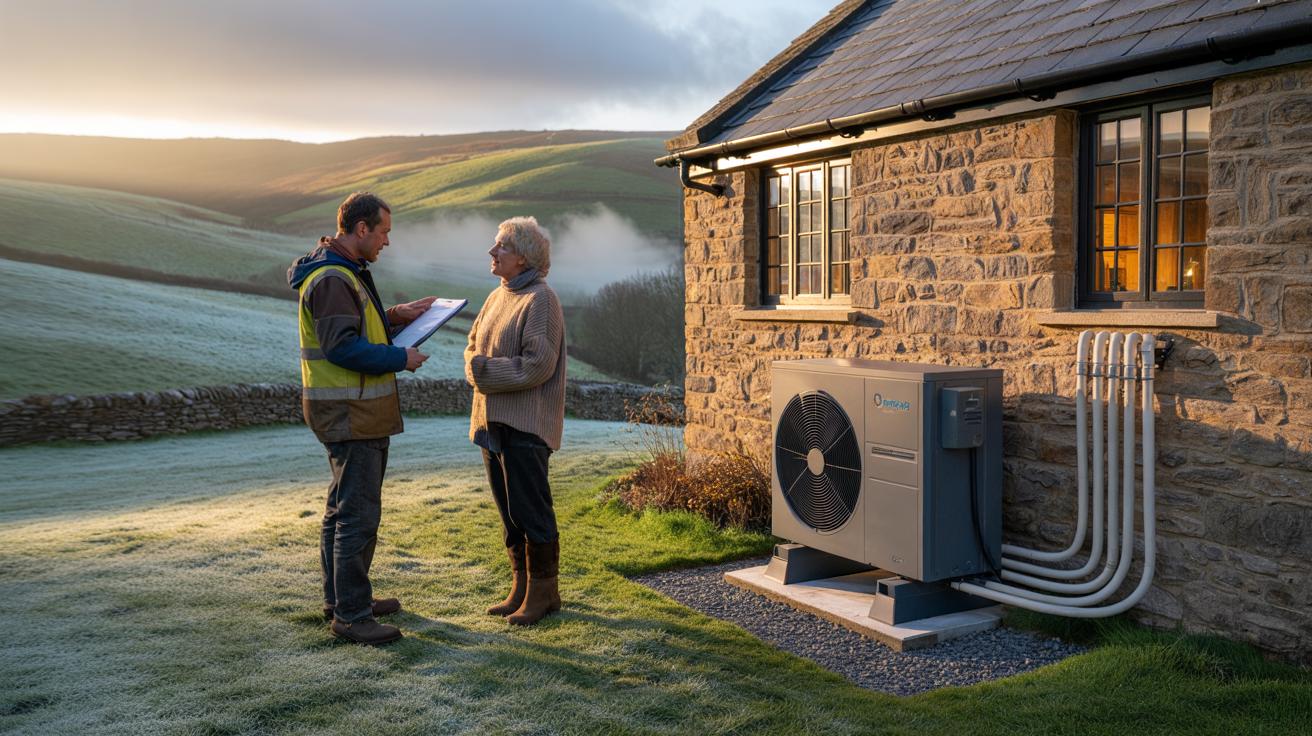
In plain English, England’s Town and Country Planning rules (the General Permitted Development Order, Part 14) give homeowners permitted development status for many small renewables. That includes an air-source heat pump, and in many cases a ground-source heat pump loop, without applying for full planning permission—so long as you meet location, size, and noise limits. Wales and Scotland have comparable provisions. Rural properties gain a natural advantage: more gardens, larger plots, and fewer close neighbours make it easier to tick the boxes. In many rural homes you can fit a heat pump without formal planning permission or fees, because you’re far enough from boundaries and not facing a highway with the outdoor unit.
The caveats are sensible. Usually only one external unit is allowed. The unit can’t sit on a principal elevation that fronts a highway. It must meet strict noise criteria, typically assessed to the nearest neighbour’s habitable room window using the MCS 020 method. Conservation areas, national parks, and listed buildings have additional controls, and flats are excluded. Still, for a detached or semi-detached rural house, the path is often clear. You notify your installer, retain documentation, and keep drawings and acoustic calculations on file. If in doubt, your Local Planning Authority or an MCS installer can confirm compliance in a phone call.
How It Translates Into Real Savings
Skipping a planning application can save weeks and several hundred pounds in fees and reports. The bigger win is pairing that speed with the Boiler Upgrade Scheme grant in England and Wales—currently up to £7,500 toward an eligible heat pump. Off the gas grid, where oil and LPG prices lurch, a high-efficiency heat pump (with a seasonal COP around 3 under good design) can deliver lower, more stable running costs. Add smart tariffs and weather-compensated controls, and the numbers sharpen. The countryside rule removes friction; the grant removes pain; together they unlock serious savings over a decade.
| Item | Oil Boiler (Rural) | Air-Source Heat Pump |
|---|---|---|
| Typical upfront (before aid) | £3,000–£5,000 | £8,000–£13,000 |
| Grant | None | Up to £7,500 (BUS) |
| Net upfront (illustrative) | £3,000–£5,000 | £500–£5,500 |
| Running cost (design-dependent) | Higher, fuel volatile | Lower with good COP |
| Planning fees | N/A | Often £0 via PD |
Results vary with insulation, radiators, and tariff. But the rural combination—permitted development + grant + space for a larger, quieter unit—has already pushed many households into four-figure lifetime savings. Keep receipts and MCS paperwork to lock in eligibility and resale value.
Step-By-Step: Check, Apply, Install
First, confirm you’re a house (not a flat) and review the site. Is there a spot for the outdoor unit that doesn’t face the highway and sits a sensible distance from neighbours? Your installer will run an acoustic check; the aim is to satisfy the permitted development noise threshold. If the unit can be sited to meet noise and placement rules, most rural homes qualify without a planning application. Take photos and a simple sketch, then keep them with your property file.
Second, choose an MCS-certified installer. They can apply the Boiler Upgrade Scheme discount on your behalf, handle any Distribution Network Operator notification for the electrical supply, and specify radiators or underfloor loops for low flow temperatures. If your EPC flags basic insulation (like cavity walls or loft), fix that first; it improves comfort and COP. Third, select a tariff. Some rural households benefit from time-of-use rates that shift heat pump consumption to cheaper hours using weather compensation and a hot water schedule. Finally, book commissioning, collect MCS and warranty documents, and label the consumer unit. That’s it—legal, documented, and quick.
Rural Pitfalls and How to Avoid Them
Stone cottages with single glazing and draughts can hobble performance. Start with fabric-first: loft top-ups, airtightness, and smart TRVs. Where power supplies are weak, ask about soft-start inverters and check if your DNO needs to upgrade the service head. Noise travels in quiet valleys, so specify a larger, slower-turning unit and a simple acoustic screen if needed. Good siting and low flow temperatures transform both comfort and costs. If you’re in a conservation area or own a listed building, seek written advice from the Local Planning Authority early; you may still succeed with a discreet location and robust evidence.
Be realistic about extremes. In a cold snap, a well-designed system maintains setpoint, but you’ll want radiator areas sized for low temperatures. Consider a modest backup—an immersion heater for hot water during maintenance, for example. For those tempted by wood stoves, remember local smoke control rules and air quality impacts; dry, certified fuel only. And keep eyes on the numbers: a heat pump on an appropriate tariff, in an insulated rural home, typically beats oil or LPG over time, with the bonus of no soot, no deliveries, and quieter nights.
This countryside-friendly rule isn’t a gimmick; it’s a rare piece of policy that genuinely makes life cheaper and warmer outside the cities. Combine permitted development rights with the Boiler Upgrade Scheme, choose a careful installer, and you’ll often cut both upfront costs and ongoing bills—legally, quickly, and cleanly. The secret is to match good siting with good design. If your home fits the criteria, why keep paying for volatile fuels and endless servicing when a quieter, smarter system could be humming by winter—so what’s stopping you from checking your eligibility this week and taking the first step?
Did you like it?4.6/5 (28)