In a nutshell
- 🚀 The no-paint wall renewal trend offers quick installs with minimal disruption, swapping rollers for peel-and-stick films, slat panels, and microcement.
- 🎨 Materials emphasise texture and tactility: peel-and-stick linens and stone effects, acoustic timber slats, fluted PVC/MDF panels, microcement skins, and warm cork tiles.
- 🛠️ Design meets performance: acoustic gains, 3D depth, and seamless, grout-free finishes; renter-friendly, repositionable options keep décor flexible.
- 💷 Strong value and greener specs: DIY savings, time saved, and low-VOC adhesives, FSC veneers, and recycled content reduce environmental impact.
- 🇬🇧 Built for UK homes: handles wonky walls in heritage homes, adds character to new-builds, and suits weekend installs that keep rooms usable.
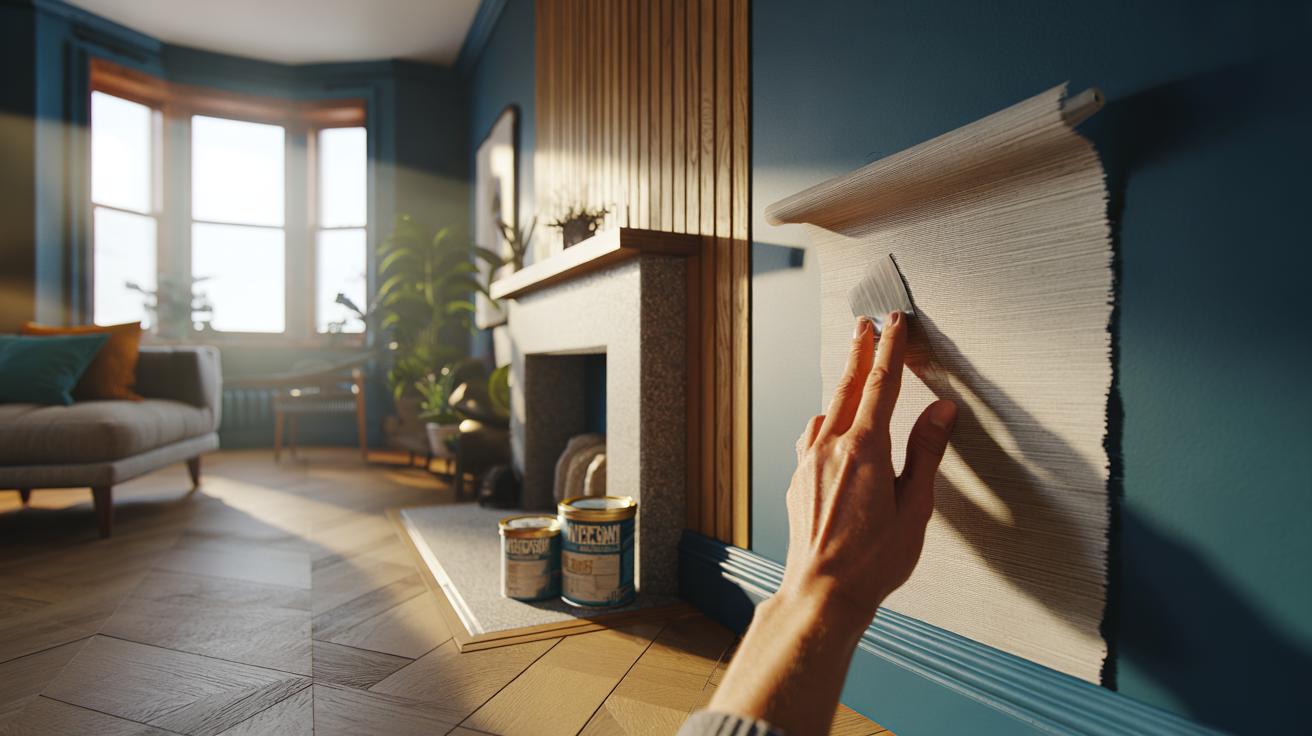
Paint cans are staying shut. Across British homes, a quieter revolution is spreading: no-paint wall renewal. Think tactile finishes, adhesive veneers, and prefinished panels that click, peel, or press into place. The attraction is simple yet compelling. No sanding, no fumes, no weeks of disruption. Homeowners now want texture, depth, and architectural character without committing to messy overhauls. When budgets are tight and time even tighter, these quick-fit solutions slip neatly between work calls and the school run. They’re also kinder to the air we breathe and easier to change later. It feels modern, yes. It also feels considered, practical, and distinctly grown-up.
The Materials Behind the Movement
At the heart of this shift are materials engineered for speed, tactility, and reversibility. Peel-and-stick wall films have matured, now offering linen, stone, terrazzo, even brushed-metal effects that survive steam and splashes in kitchens and cloakrooms. Acoustic slat panels marry thin timber veneers with felt backers made from recycled fibres, giving living rooms and bedrooms the warm rhythm of joinery without commissioning a carpenter. For a more sculptural look, lightweight fluted PVC or MDF panels arrive pre-primed and coloured, clipping together like tongue-and-groove. All promise impact without the ritual of primer, roller, and cleanup.
Then there’s the luxe end. Mineral microcement and lime-based microtoppings deliver velvety, plaster-like finishes with a single, continuous skin—satin if you seal it, matt if you don’t. Though usually installed by a pro, the layer is thin, so skirting and sockets often remain undisturbed. Natural cork tiles offer warmth underhand and on the wall, sip sound, and bring a lovely mottled patina to studies and hallways. The thread running through all of them is clever engineering: strong adhesives, stable substrates, and coatings that resist UV, grease, and the daily scuffs of family life.
The result is a toolkit homeowners can wield. Swap a wall, not a lifestyle. Trial a pattern in a week, then elevate it to an architectural backdrop the next month. Because these systems are modular and light, they’re forgiving of typical UK walls—wonky plaster, hairline cracks, odd alcoves—turning flaws into features rather than costly repairs.
Design Payoffs That Outshine Paint
Paint is flat. Beautiful, but flat. The new wave majors on texture, shadow, and sound, which is why it photographs so persuasively and feels richer in person. Slatted timber draws lines of light across a room at sunrise, then softens echoes at night. 3D wall panels throw crisp silhouettes that change as you move, turning a simple corridor into a moment of theatre. Small spaces benefit most, because texture produces depth without stealing precious centimetres.
Kitchen diners gain resilience. A stone-effect film behind open shelving shrugs off greasy fingers. In bathrooms, microcement wraps corners and niches seamlessly, so there’s no grout to discolour. Bedrooms become calmer when cork or felt-backed panels dampen reverberation; video calls sound warmer, too. And if you rent, repositionable murals and higher-grade adhesive films avoid the dreaded deposit chat: they come down cleanly, the wall sighing in relief.
This isn’t just about aesthetics. It’s about living with the result. Low-VOC and solvent-free systems cut odour and speed reoccupation. Weekend timelines mean rooms stay usable. Kids can sleep in their beds the same night. And the creative range is broad: mid-century walnut slats, coastal limewash looks without paint, Art Deco fluting, gallery-muted linen textures. When personal taste shifts—as it does—the wall can change with it. That agility is the luxury.
Costs, Sustainability, and the UK Angle
Budgets vary wildly, but the value case is solid when you count time saved and mess avoided. DIY-friendly peel-and-stick options often undercut a full repaint once you add prep, primer, and labour. Timber slats sit mid-to-high, yet deliver a “bespoke joinery” impression at a fraction of custom carpentry. Microcement costs more upfront but outlasts trend paint, especially in splash zones. Sustainability is also tilting decisions: recycled felt backers, FSC veneers, cork harvested without felling trees. For drafty British terraces and busy semis, acoustic gains are a welcome bonus—less clatter, more calm.
| Option | Typical Cost (per m²) | Install Time (12 m² room) | Lifespan | Removability |
|---|---|---|---|---|
| Peel-and-stick film/wallcovering | £10–£25 (DIY) | 3–6 hours | 3–7 years | Clean removal on sound paint |
| Acoustic timber slat panels | £70–£120 | 6–10 hours | 8–15 years | Panels off; minor filling likely |
| Microcement skim (pro-installed) | £90–£160 | 1–2 days | 10+ years | Permanent without re-skim |
| Cork wall tiles | £25–£60 | 4–8 hours | 6–12 years | Usually removable; patch repairs |
Consider hidden savings. No need to vacate the room, no cloud of dust, no drying windows propped open on a rainy Tuesday. For heritage homes, slimmer systems preserve mouldings and skirtings. For new-builds, panels add sorely needed character. Choose responsibly—look for FSC certification, recycled content, and low-VOC adhesives—and you’ll upgrade style while lowering the footprint. The clincher? When trends shift, these surfaces don’t trap you. You can peel, unclip, or re-skim, then move on with little drama.
In a culture that prizes both expression and efficiency, it’s no surprise the no-paint wall renewal trend has sprinted from niche to mainstream. It gives renters permission to personalise, and owners a fast track to sophistication. Less downtime, more delight. The home works harder and looks sharper, without the solvent fug or the stepladder fatigue. Walls become furnishings, not a background. If your rooms could talk, what story would they ask you to tell next—and which texture would you choose to speak it?
Did you like it?4.7/5 (27)