In a nutshell
- 🎵 Acoustic resonance in bathrooms flatters the voice, activating the brain’s reward system, boosting confidence, and lifting mood.
- 🧠 Singing recruits a whole-brain network (auditory, motor, limbic), can trigger dopamine, and supports emotional regulation and focused attention.
- 🌬️ Long, controlled exhalations increase parasympathetic tone via the vagus nerve, improving heart-rate variability and reducing stress.
- 🛁 Privacy and playful experimentation build self-efficacy and resilience; making a two-song ritual enhances adherence and motivation.
- 📊 A highly accessible, low-cost habit with clear mechanisms and benefits; practical tips include humming, moderate volume, and comfortable water temperature.
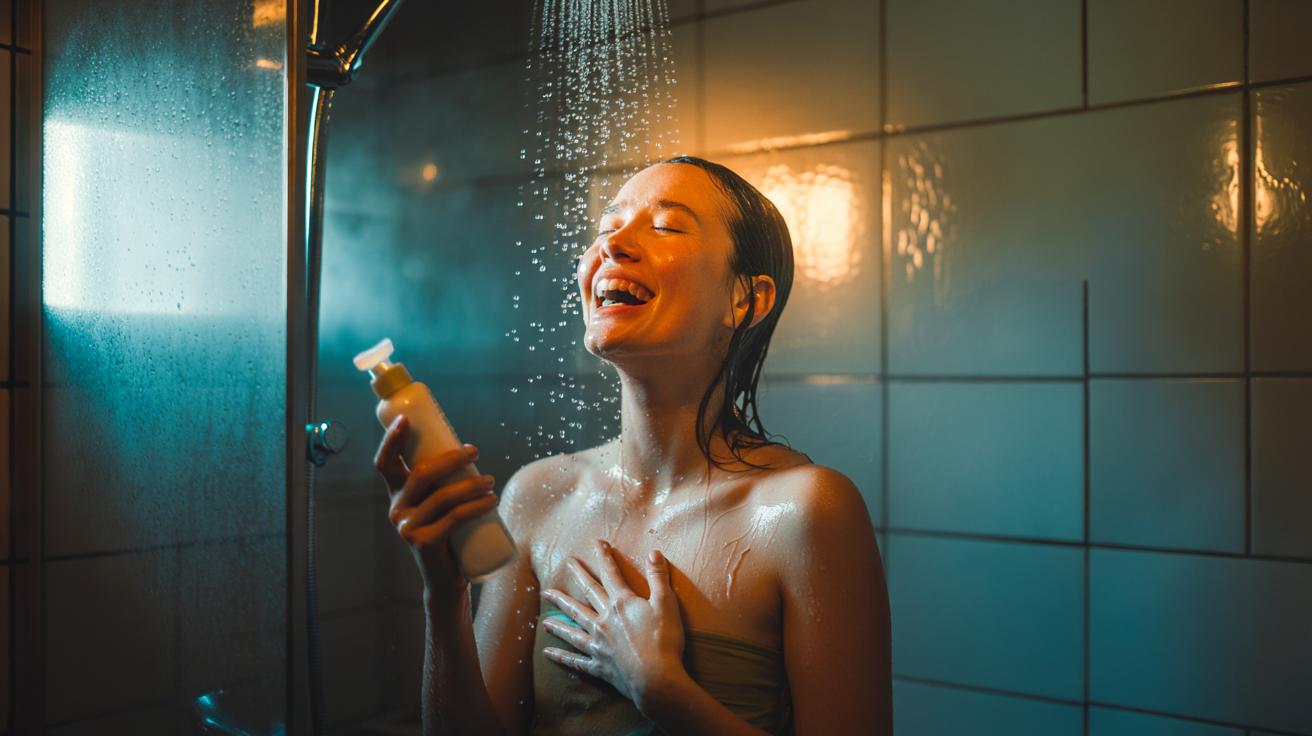
Few rituals feel as ordinary—and oddly liberating—as belting out a favourite tune under a hot stream of water. Scientists now suggest that this simple habit may be doing more than passing the time; it may be reshaping how our bodies and minds handle stress. The combination of warm mist, reverberant acoustics, and steady breathing forms a compact wellbeing toolkit that’s hard to replicate elsewhere. In the shower, performance jitters vanish, the voice sounds bigger, and attention narrows to the moment. That cocktail appears to nudge our nervous system toward balance, soothe rumination, and sharpen mood regulation. In short: the shower is a micro-studio and a micro-spa, rolled into one.
The Science of Sound and the Brain
The tiled bathroom, with its hard surfaces and compact dimensions, produces rich acoustic resonance. That resonance feeds your ears an enhanced version of your own voice—fuller, warmer, more stable. This flattering feedback isn’t trivial. When you like how you sound, the brain’s reward system lights up, reinforcing the behaviour. Your bathroom becomes a natural amplifier, turning tentative notes into confident sound. Confidence matters: it reduces self-monitoring noise in the mind and allows more expressive, less inhibited singing, which deepens emotional processing.
Inside the brain, singing recruits a broad network: auditory cortex to analyse pitch and timbre, motor regions to coordinate the larynx and breath, and limbic areas linked to emotion. This “whole-brain workout” is potent. Rhythmic vocalisation boosts timing circuits and can steady internal rhythms that drift under stress. Some studies indicate that producing music can trigger dopamine release, the same reward chemical associated with anticipation and pleasure. Put simply, you are giving yourself a small, repeatable hit of agency and enjoyment. Singing is cognitive exercise wrapped in joy, and the shower’s forgiving acoustics make the practice feel effortless and safe.
Breath, Nerves, and the Body
Good singing demands long, controlled exhalations. That is precisely the breathing pattern known to enhance parasympathetic tone via the vagus nerve, the body’s brake pedal for stress. Slow out-breaths can lift heart-rate variability, a marker of flexibility in the autonomic nervous system. As your diaphragm lowers and your voice rides the air, tension eases in jaw, neck, and shoulders. Long exhalations calm the nervous system; melody simply makes the practice enjoyable. It’s breathwork with a soundtrack, and it often feels less forced than sitting quietly trying to “relax.”
Then there’s the physical context. Warm water and steam dilate airways and may improve nasal resonance, making phonation easier and smoothing vocal tone. That comfort signals safety to the brain, priming a shift away from fight-or-flight. The sensory richness—heat on skin, droplets drumming the tiles, the voice blooming—crowds out intrusive thoughts and encourages gentle interoception: noticing internal sensations without judgement. Add rhythm and lyrics, and you’ve created a compact mind–body loop that regulates arousal and lifts mood. When the body feels safe, the mind stops scanning for danger, and that alone can be the difference between a tense day and a manageable one.
Privacy, Play, and Self-Efficacy
There’s another ingredient science is keen on: psychological safety. Bathrooms are private. Doors lock. The audience is shampoo and steam. That matters because performance anxiety can sabotage the benefits of musical engagement. In the shower, experimentation feels permissible—new keys, silly accents, soaring high notes. This is adult play, a state linked to creativity and flexible thinking. Play is not a luxury; it is a maintenance routine for resilience. By removing judgement, the shower makes play habitual and sustainable.
Each time you choose a song, hit a tricky note, or notice progress, you reinforce self-efficacy—the belief that your actions can change how you feel. That belief is protective in periods of low mood or stress. A short morning sing primes motivation. An evening ballad helps you downshift. Pairing the practice with a daily cue—the water turning on—turns it into a ritual. Rituals reduce decision fatigue and stabilise attention, which is why small, consistent interventions often beat grand, sporadic ones. Set a two-song limit if you’re time-pressed. Or choose a “mood ladder”—start mellow, finish triumphant—to steer emotion deliberately.
What the Evidence Suggests
A growing body of research links musical engagement to improvements in anxiety, mood, and perceived social connection. While much of the literature focuses on choirs and group singing, the active ingredients—controlled breathing, rhythmic coordination, emotional expression, and rewarding feedback—are present in solo shower sessions, too. Clinicians often recommend brief, repeatable behaviours that shift physiology quickly, and singing under warm water fits that mould. It’s accessible, low-cost, and self-directed—three qualities associated with better adherence. The key is not vocal brilliance, but regularity and enjoyment.
| Mechanism | What Happens | Mental-Health Benefit | Quick Shower Tip |
|---|---|---|---|
| Vagus nerve activation | Slow, long exhalations | Calmer arousal, steadier mood | Phrase lines to 6–8 second out-breaths |
| Acoustic resonance | Flattering vocal feedback | Reward, confidence boost | Choose keys where your voice feels rich |
| Attention capture | Lyrics + rhythm focus | Less rumination | Pick songs you know by heart |
| Ritual and play | Predictable, joyful routine | Resilience and motivation | Two-song ritual: one to warm up, one to lift |
For those who worry about neighbours or flatmates, keep volume moderate and lean on humming—surprisingly effective for nasal resonance and relaxation. If you live with chronic respiratory issues, check with a clinician and keep water temperature comfortable, not scalding. Beyond that, experiment. Upbeat tracks for energy. Lullabies for bedtime. Even ten mindful minutes can plant a flag in your day: you chose your state, not just your schedule. That choice is often where recovery begins.
Step back and the picture is simple: singing in the shower is a compact mental-health intervention hiding in plain sight. It recruits the brain’s reward circuits, steadies the body’s stress systems, and invites playful confidence—no lessons, no gear, no audience. Think of it as hygiene for mood as well as skin. Make it yours. Set a tiny goal, repeat it, refine it, enjoy it. If a daily song could lift your week by a few notches, what would you sing tomorrow—and why that song?
Did you like it?4.5/5 (22)